Traveling Armed? Rules, Tips & Best Practices for Planes and Road Trips

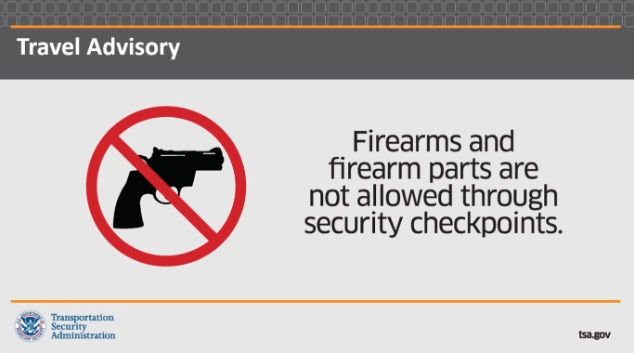
Traveling with a firearm isn’t as simple as tossing it into your bag. Whether you’re catching a flight or driving across state lines, you’ll need to follow strict laws, airline policies, and best practices for safe transport. This guide walks you through everything you should know about flying with a gun, storing ammo, navigating state reciprocity, and keeping your firearm secured on the road.
⚠️ Disclaimer: This article is for educational purposes only. Laws and airline policies change frequently. Always check current TSA regulations, airline rules, and state firearm laws before traveling.
Flying With a Firearm: TSA Rules You Must Follow
TSA prohibits carrying any firearm onto a plane in carry-on luggage. However, you can fly with an unloaded firearm in your checked baggage if it’s stored correctly. Here’s what you need to know:
TSA Firearm Travel Requirements
Firearm must be unloaded
Must be placed in a hard-sided, lockable case
Only the passenger retains the key or combination (no TSA-approved locks)
You must declare the firearm at the airline check-in counter
Pro Tip: Print out the TSA firearm regulations and keep a copy in your gun case. Agents can be inconsistent, and having the rules on hand can prevent confusion.
Declaring a Firearm at the Airport
When you check in, calmly tell the agent: “I need to declare a firearm.” Avoid using the word gun. You’ll:
Open your luggage so the agent can confirm the firearm is unloaded
Fill out and sign a declaration card
Place the card inside or on the case, as directed by the airline
From there, your bag may be hand-carried to TSA or placed on a separate conveyor for inspection.
Ammunition: How Much You Can Bring and How to Pack It
TSA permits up to 11 pounds of ammunition in checked luggage, but airlines may set stricter weight limits. Follow these best practices:
Keep ammo in original factory packaging or a hard ammo box (plastic, wood, or metal)
Avoid loose rounds or open containers
Some states restrict hollow points — check your destination’s laws before packing them
Pro Tip: Some TSA officers allow loaded magazines if the rounds are fully enclosed. Others may require ammo to be boxed separately. Carry an empty ammo box in case you need to transfer cartridges at check-in.
Choosing the Right Gun Case for Air Travel
Your firearm case must be hard-sided, lockable, and resistant to prying. The best choice depends on how you’re traveling:
SnapSafe Lock Box – Budget-friendly, compact, and cable-lock ready for cars or luggage
Vaultek LifePod – Lightweight, waterproof, tech-savvy with keypad or biometric access
Pelican Air Case – Military-grade, crushproof, ideal for checked baggage as a standalone item
Custom Foam Cases – Great for multiple firearms or optics, cut-to-fit for secure travel
Pro Tip: Always use your own padlocks, not TSA-approved locks. Only you should have access to the firearm case.
Preparing Your Firearm for Travel
To avoid delays or confiscation:
Unload completely — check chamber, mag well, and cylinder
Consider removing the slide or using a chamber flag to make it obvious the gun is safe
Avoid snap caps (agents may mistake them for live rounds)
Lock the case securely, and tether it with a steel cable inside your luggage for extra protection
Road Trips: Carrying Firearms Across State Lines
If you’re driving instead of flying, laws can be even trickier. States vary widely on reciprocity and storage requirements.
Check reciprocity: Use a reciprocity map to confirm where your carry permit is valid
Follow FOPA (Firearm Owners Protection Act): If traveling through restrictive states, firearms must be unloaded, locked in a case, and inaccessible (such as in the trunk)
Separate ammo when required: Some states mandate ammunition be stored apart from the firearm
Pro Tip: Never assume “passing through” gives you a free pass. Even a quick gas stop in a restrictive state can create legal issues if you don’t comply with storage laws.
Best Places to Store a Firearm in Your Vehicle
Glove Box – Convenient, but must be locked and legal in your state
Center Console – Easy access for drivers, but always secure when unattended
Portable Gun Safe – The most responsible option; tether with a steel cable to prevent theft
Popular car-safe picks include:
SnapSafe Lock Boxes (affordable and secure with included cable)
Vaultek LifePod Safes (keypad or biometric entry with anti-theft tether)
Avoiding Common Travel Mistakes
Don’t rush packing — last-minute prep leads to forgotten firearms in range bags or backpacks
Check every zipper, pocket, and pouch before leaving for the airport
Place a reminder card in your suitcase or car that says: “Did you check for firearms?”
Keep declaration paperwork and ID accessible for smoother check-in
Quick-Reference Gun Case Comparison
Case Type | Best For | Security | Notes |
SnapSafe Lock Box | Road trips, glove box | Basic steel w/ cable | Budget-friendly, compact |
Vaultek LifePod | Air travel, hotel stays | Moderate w/ tech options | Waterproof, keypad/biometric |
Pelican Air Case | Checked baggage | High, crushproof | Military-grade, custom foam options |
Custom Foam Cases | Multi-gun travel | Varies | Precision-fit trays for optics, mags, tools |
Final Thoughts: Safe and Stress-Free Firearm Travel
Traveling with a firearm doesn’t need to be stressful — but it does require preparation. From TSA declarations to securing your gun in a car safe, the key is planning ahead and respecting the law at every step.
When in doubt, store your firearm unloaded, locked, and separate from ammunition. A little extra caution can save you thousands in fines, prevent confiscation, and keep your travels stress-free.


Comments